 We Service From Auckland to Mangawhai
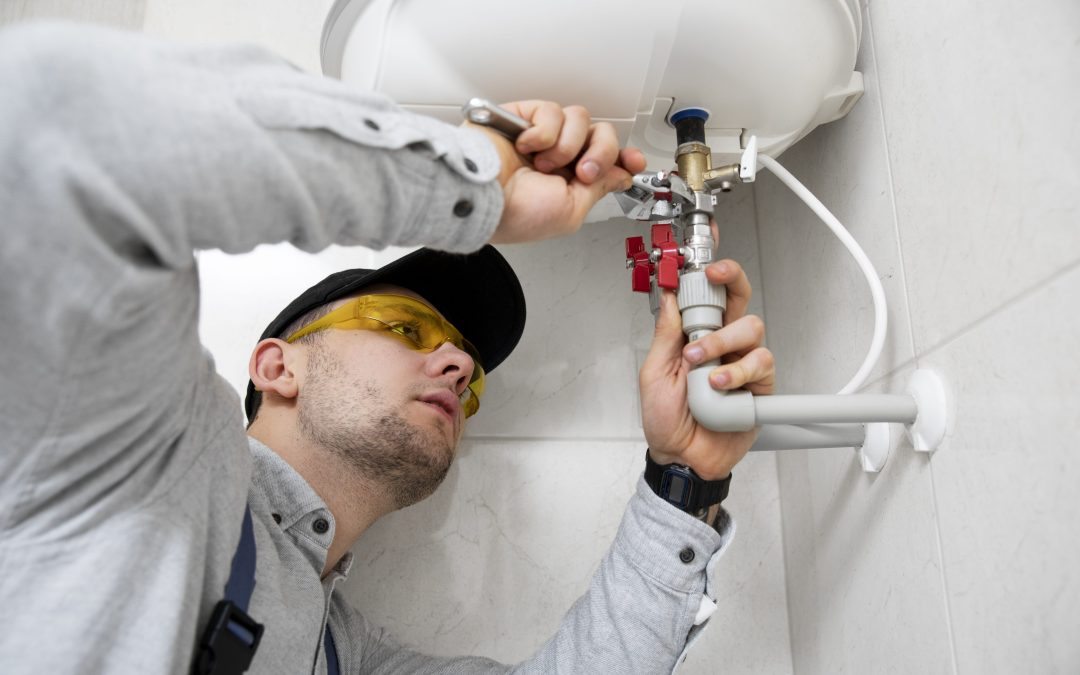
How to Identify a Hidden Leak in Your Home
Water leaks are one of the most common and damaging issues faced by homeowners in New Zealand. While some leaks are obvious, others can be hidden within walls, under floors, or underground, making them difficult to detect. Hidden leaks can lead to costly water bills, property damage, and even health hazards. In this blog, we’ll share practical tips on how to identify a hidden leak in your New Zealand home before it becomes a bigger problem.
Why Hidden Leaks Are a Concern
Hidden leaks in your home may not show up right away, but they can cause significant damage over time. They can lead to:
- Increased water bills: Even small leaks can waste hundreds of litres of water, driving up your utility costs.
- Structural damage: Water leaking behind walls, floors, or ceilings can weaken your home’s structure, leading to costly repairs.
- Mould and mildew: Leaks create a damp environment, encouraging the growth of mould, which can lead to health issues such as respiratory problems and allergies.
To prevent these issues, it’s essential to spot hidden leaks early. Here’s how you can identify them.
1. Check Your Water Meter
One of the easiest ways to check for a hidden leak is by using your water meter. This method is useful for detecting leaks in your water supply system, whether it’s inside or outside your home.
Steps:
- Turn off all water sources in your home (e.g., taps, showers, washing machines, etc.).
- Locate your water meter and check the reading.
- Wait for a few hours, making sure no one uses any water during this time.
- After waiting, check the water meter again. If the reading has changed, it’s likely you have a hidden leak somewhere in your plumbing system.
This method is a simple and effective way to check for leaks, especially if you notice an unusually high water bill.
2. Look for Signs of Water Damage
Even if you can’t locate the exact source of the leak, you can often spot the signs of water damage. Pay close attention to areas that are typically prone to leaks, such as:
- Ceilings and walls: Look for water stains, discolouration, or sagging in areas beneath bathrooms, kitchens, and laundry rooms.
- Floors: Check for warped, swollen, or discoloured flooring, especially near sinks, toilets, and showers.
- Baseboards and trim: Water damage can cause peeling paint, bubbling wallpaper, or mould growth on trim and baseboards.
These signs may not indicate the exact location of the leak, but they can give you a general idea of where to focus your search.
3. Listen for Dripping Sounds
A leaking pipe may produce a faint dripping sound, especially in quieter parts of your home. Try listening carefully in areas where you suspect a leak, such as behind walls or under floors. While this method may not always work, it can help you pinpoint the location of the leak if the sound is audible.
If you can’t hear the sound of dripping, but still suspect a leak, consider using a water leak detection tool. Professional leak detection services use advanced technology, such as acoustic sensors, to detect leaks by the sound of water escaping from pipes.
4. Check for Unexplained Dampness or Musty Odours
Hidden leaks, particularly in walls or floors, can create a damp or musty smell. If you notice an unusual odour in certain areas of your home, it could indicate a hidden leak that’s causing water to pool behind walls or under floors. If the odour is persistent, it’s a good idea to investigate further.
Dampness on walls, floors, or ceilings in areas like basements, kitchens, or bathrooms can also be a sign of water damage from a hidden leak.
5. Monitor Your Water Pressure
A sudden drop in water pressure could be an indication of a hidden leak, particularly if the leak is large enough to affect the water supply. If you notice a decrease in water pressure in one or more areas of your home, it’s worth investigating for possible leaks.
Start by checking your outdoor hose bib or taps. If the pressure is fine outside but weak indoors, the leak is likely hidden within the plumbing system inside your home.
6. Conduct a Dye Test for Toilet Leaks
Toilets are common culprits for hidden leaks, especially if the flapper valve or tank seals are worn. An easy way to test for a toilet leak is by using food colouring or dye tablets.
Steps:
- Add a few drops of food colouring or a dye tablet to the toilet tank.
- Wait for about 30 minutes without flushing.
- Check the toilet bowl. If the water in the bowl changes colour, there’s a leak in your toilet tank that’s causing water to seep into the bowl continuously.
This test is simple and effective for identifying toilet leaks, which can go unnoticed for weeks or even months.
7. Look for Foundation Cracks or Shifting Soil
In New Zealand, some homes may experience underground leaks, particularly if you have older pipes or live in areas with unstable soil. Look for cracks in the foundation, shifting soil, or the appearance of damp patches near the foundation of your home.
If you notice any of these signs, it’s a good idea to have a professional plumber inspect your plumbing system, as underground leaks can cause extensive damage to the foundation over time.
8. Hire a Professional Leak Detection Service
If you’re unable to locate the source of the leak using the methods above, it’s time to call in a professional. A licensed plumber or leak detection expert will use advanced tools, such as infrared cameras, acoustic sensors, and moisture meters, to pinpoint the exact location of the leak. These tools allow them to detect hidden leaks behind walls or underground without causing unnecessary damage to your home.
Conclusion
Hidden leaks in your home can cause significant damage if not detected and repaired quickly. By using the methods outlined above, such as checking your water meter, looking for water damage, and listening for dripping sounds, you can identify leaks early and take action before they become major issues.
If you suspect a hidden leak in your New Zealand home, don’t hesitate to contact a north shore plumber for an inspection. The sooner you address the problem, the less damage it will cause, ultimately saving you time, money, and stress.