 We Service From Auckland to Mangawhai
Best Towel Rails in NZ: Heated, Freestanding & Wall-Mounted
Introduction
A warm, dry towel after a shower isn’t just a luxury — it’s one of life’s little comforts. In New Zealand bathrooms, towel rails play a big role in keeping towels organised, fresh, and mould-free. With NZ’s often humid and damp climate, especially in winter, choosing the right towel rail isn’t just about style — it’s about practicality.
But with so many options available, which towel rail is best for your home? Should you invest in a heated towel rail for ultimate comfort, choose a wall-mounted rail for practicality, or go with a freestanding rail for flexibility?
In this guide, we’ll compare the best towel rails in NZ, covering types, pros and cons, costs, installation tips, and where to buy. Whether you’re renovating your bathroom or upgrading your accessories, this guide will help you choose the right towel rail for your lifestyle.
1. Towel Rail Trends in New Zealand
Bathroom design in New Zealand has shifted over the last decade. Once purely functional, bathrooms are now seen as stylish, spa-like retreats. Towel rails, while simple, are an essential part of this transformation.
Here are the top towel rail trends in NZ for 2025:
-
Heated towel rails as a must-have – More and more Kiwi households are installing heated rails, not just for comfort but also for preventing damp and mildew.
-
Designer finishes – Matte black, brushed brass, and stainless steel rails are popular choices to match modern tapware and fittings.
-
Compact solutions – With smaller bathrooms in apartments and townhouses, slimline and multi-bar towel rails are in demand.
-
Energy-efficient rails – Heated towel rails with timers and smart controls help reduce electricity usage.
2. Types of Towel Rails in NZ
When shopping for a towel rail, you’ll generally choose between three main types: heated towel rails, wall-mounted towel rails, and freestanding towel rails.
Heated Towel Rails
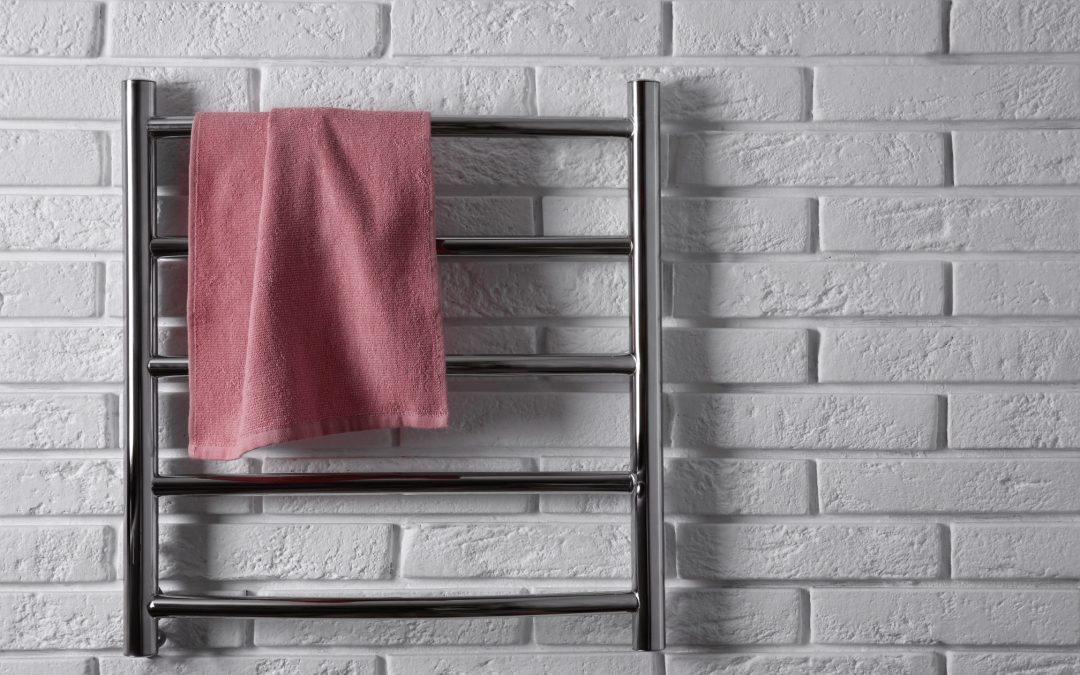
Heated towel rails are by far the most popular option in modern NZ bathrooms. They use electricity to gently warm your towels, keeping them dry and cosy year-round.
Benefits:
-
Warm, dry towels every day.
-
Prevents damp smells and mould.
-
Luxury feel in any bathroom.
-
Available in plug-in or hardwired models.
Downsides:
-
Higher upfront cost compared to non-heated rails.
-
Hardwired models require an electrician to install.
-
Running costs, although usually low, add to your power bill.
Price in NZ (2025):
-
Entry-level: $250 – $600
-
Designer heated rails: $700 – $1,500+
-
Installation (hardwired): $200 – $500
Best For: Kiwi homeowners wanting comfort, hygiene, and a touch of luxury.
Wall-Mounted Towel Rails
Wall-mounted rails are the most common type of towel rail in NZ. They don’t heat, but they provide practical towel storage and help keep bathrooms tidy.
Benefits:
-
Affordable and widely available.
-
Saves space, especially in smaller bathrooms.
-
Range of sizes, from single-bar to multi-bar options.
-
Easy to install (usually just screws and brackets).
Downsides:
-
Doesn’t warm towels.
-
Towels can take longer to dry in humid environments.
Price in NZ (2025):
-
Single-bar: $80 – $150
-
Multi-bar: $150 – $300
Best For: Families, smaller bathrooms, or those on a budget.
Freestanding Towel Rails
Freestanding towel rails are portable and don’t require installation. They’re especially useful in rentals or bathrooms where drilling into walls isn’t an option.
Benefits:
-
No installation required.
-
Flexible and portable — move them anywhere.
-
Budget-friendly.
Downsides:
-
Takes up floor space.
-
Less stable than wall-mounted rails.
-
Doesn’t dry towels as effectively.
Price in NZ (2025):
-
Basic freestanding rails: $50 – $120
-
Designer models: $120 – $200
Best For: Renters or temporary solutions.
3. Comparing Towel Rail Options
Here’s a quick comparison of the main towel rail types in NZ:
| Feature | Heated Towel Rail | Wall-Mounted Rail | Freestanding Rail |
|---|---|---|---|
| Style | Luxury, modern | Practical, simple | Flexible, portable |
| Drying | Excellent | Moderate | Low |
| Space Use | Wall-mounted | Wall-mounted | Takes floor space |
| Cost (NZ 2025) | $250 – $1,500+ | $80 – $300 | $50 – $200 |
| Installation | Electrician (hardwired) or plug-in | Easy DIY | None |
| Best For | Luxury, everyday comfort | Families, small bathrooms | Renters, budget buyers |
4. Towel Rail Materials & Finishes in NZ
Towel rails come in different materials and finishes to suit every bathroom style:
-
Stainless Steel – Durable, rust-resistant, modern look (most popular in NZ).
-
Chrome – Affordable and classic, but may show water spots.
-
Matte Black – Stylish and contemporary, matches modern tapware.
-
Brushed Brass / Gold – Adds warmth and luxury to bathroom décor.
5. Cost of Towel Rails in NZ (2025)
Here’s a breakdown of towel rail costs in New Zealand:
-
Heated Towel Rails: $250 – $1,500+ (plus $200 – $500 installation for hardwired models).
-
Wall-Mounted Rails: $80 – $300.
-
Freestanding Rails: $50 – $200.
Running Costs for Heated Rails
Most heated towel rails are energy-efficient. On average, they use 40–120 watts per hour. With a timer, the cost can be as low as $10–$20 per month depending on usage.
6. Where to Buy Towel Rails in NZ
Some of the best places to buy towel rails in New Zealand include:
-
Mico Bathrooms – wide range of heated and designer rails.
-
Reece NZ – premium brands and finishes.
-
Mitre 10 & Bunnings – affordable and practical options.
-
Placemakers – mid-range towel rails and bathroom fittings.
-
Specialty suppliers – for luxury or imported designs.
7. How to Choose the Right Towel Rail
When selecting a towel rail for your home, consider:
Bathroom size – Compact bathrooms benefit from wall-mounted rails, while larger bathrooms can accommodate freestanding or multi-bar heated rails.
Number of users – Families may need a multi-bar heated rail to keep up with usage.
Budget – Wall-mounted and freestanding rails are cheapest; heated rails add luxury but cost more.
Style preference – Match finishes to your tapware (chrome, matte black, brass).
Installation type – Renters may prefer freestanding or plug-in heated rails, while homeowners can invest in hardwired models.
8. Installation & Maintenance Tips
-
Heated towel rails should always be installed by a licensed electrician if hardwired.
-
Timers are highly recommended to save on power costs.
-
Wall strength matters — ensure rails are properly secured to studs or reinforced walls.
-
Maintenance is minimal — wipe regularly to prevent water spots and keep rails shining.
Conclusion
Towel rails may seem like a small detail, but they can transform your bathroom experience.
-
Heated towel rails are the most popular choice in NZ, offering warm, dry towels and a touch of everyday luxury.
-
Wall-mounted rails are practical and affordable, ideal for families and smaller homes.
-
Freestanding rails are flexible and portable, perfect for rentals or budget-conscious buyers.
By considering your bathroom size, budget, and lifestyle, you’ll be able to choose the perfect towel rail for your Kiwi home. Whether you want comfort, practicality, or style, there’s an option to suit every bathroom in New Zealand. Please also make sure you have a qualified plumber helping with the installation of your next towel rail.
Excellent summary and good tips for people considering investments in towel rails, especially heated towel rails.
Thanks Janette! Glad we could help 🙂
Heated towel rails sound fantastic – warm, dry towels are a bathroom luxury I hadnt fully appreciated until reading this! But $1,500+ for a designer rail? And needing an electrician just to plug one in? Ouch! While a sleek matte black rail might be dreamy, the entry-level price makes me think Ill stick to my trusty, slightly damp, but certainly budget-friendly wall-mounted rail for now. Maybe Ill just invest in better absorbent towels and a sense of humour about damp-smelling socks!MIM
Haha, fair call — a sense of humour definitely costs less than a designer heated rail! 😄 You’re right though, heated towel rails are one of those little luxuries you don’t realise you’ll love until you’ve tried one. If you ever decide to upgrade down the track, there are some great mid-range options that don’t need an electrician for installation — plug-in models can still give you that warm, dry towel feeling without blowing the budget.
Thanks for reading and sharing your thoughts!
— The Extreme Plumbing & Gas Team 🚿